Spitalfields Market rubbish removal guide for traders
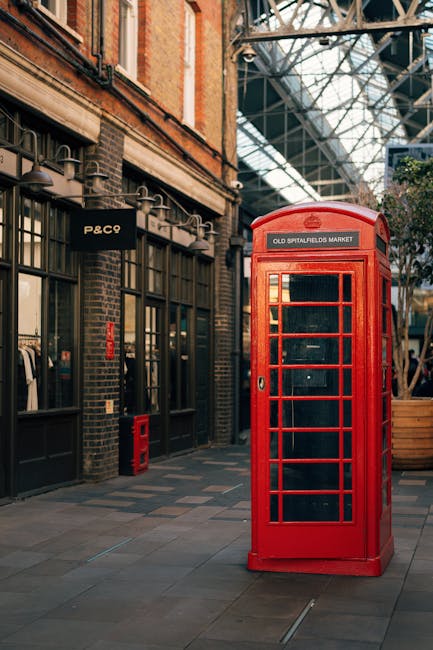
If you trade at Spitalfields Market, rubbish tends to build up in the middle of a busy day rather than at the end of one. Cardboard boxes stack near the stall, broken packaging gets in the way, food waste starts to smell if it lingers, and suddenly the back-of-house area feels smaller than it did an hour ago. This Spitalfields Market rubbish removal guide for traders is here to make the whole thing simpler. It covers what to remove, how to handle it responsibly, what to avoid, and how to keep your pitch clean without creating extra stress. Truth be told, good waste handling is one of those invisible jobs that makes everything else run better.
Whether you run a food stall, a fashion rail, a craft table, or a pop-up retail stand, the same basic rule applies: waste must move out quickly, safely, and in the right way. In a place like Spitalfields, where space is tight and footfall is constant, that matters even more.
- Why rubbish removal matters for traders
- How the process works
- Key benefits and practical advantages
- Who this is for and when it makes sense
- Step-by-step guidance
- Expert tips for better results
- Common mistakes to avoid
- Tools, resources and recommendations
- Law, compliance, standards and best practice
- Options, methods and comparison table
- Case study or real-world example
- Practical checklist
- Conclusion
- Frequently asked questions
Why Spitalfields Market rubbish removal guide for traders Matters
Market trading is a live environment. One minute everything is neat; the next, you have shrink wrap underfoot, a pile of broken boxes, and a bin that should have been emptied half an hour ago. At Spitalfields Market, rubbish removal is not just about tidiness. It affects customer experience, safety, stall presentation, storage space, and the speed at which you can reset for the next trading period.
For traders, waste also has a direct effect on working rhythm. If clearance is poorly organised, it can interrupt sales, frustrate staff, and create awkward moments at the worst possible time. Picture a busy lunch rush, a delivery arriving late, and packaging nowhere to go. Not ideal, is it?
There is also the wider reputation issue. A clean, organised stall signals professionalism. It tells customers you care about detail. That subtle impression can matter more than people realise, especially in a market where presentation is part of the product.
If your stall produces mixed waste, regular cardboard, broken display pieces, or bulky items that cannot simply be bagged up, planning matters even more. Many traders also need a reliable business waste routine rather than a one-off clear-out, which is where a structured approach to business waste removal becomes especially useful.
Expert summary: For traders, rubbish removal works best when it is treated as part of daily operations, not an afterthought. If waste is easy to separate, move, and collect, everything else becomes easier too.
How Spitalfields Market rubbish removal guide for traders Works
At a practical level, market rubbish removal is about three things: sorting, storing, and removing. Sort waste into sensible groups, store it in a way that does not block trading space, and remove it before it gets in the way or becomes a hygiene issue. Simple in theory. Slightly less simple when the market is busy and the weather is doing something annoying, which, let's face it, happens often enough in London.
The exact process depends on the type of trader you are. A food stall produces different waste from a clothing stand. A jewellery trader may have almost no organic waste but quite a bit of packaging and display material. A vintage seller may need help clearing damaged furniture or one-off bulky stock that cannot be broken down quickly.
Usually, a sensible approach looks like this:
- Identify the main waste streams from your stall.
- Separate recyclable material from general rubbish where possible.
- Bag, stack, or box waste so it is safe to move.
- Keep heavier or awkward items grouped together.
- Arrange timely collection or clearance before waste piles up.
When items are too bulky, too mixed, or too awkward for your own routine, a proper waste clearance service can take the pressure off. If you want a broader explanation of what that service typically covers, the main waste removal page is a helpful starting point.
Some traders also need support with a larger reset, such as old shelving, damaged counters, broken stock boxes, or fixtures no longer needed after a seasonal change. In that case, a more substantial service like furniture clearance may be a better fit than trying to force everything into standard bins.
Key Benefits and Practical Advantages
Good rubbish removal is not glamorous. But the benefits show up everywhere. You feel them in the flow of the day, in the cleanliness of the pitch, and in how much energy you spend not worrying about waste.
- Cleaner trading space: Less clutter means easier movement for staff and fewer trip hazards for customers.
- Better presentation: A tidy stall looks more trustworthy and more inviting.
- Faster turnover: Clearing waste promptly helps you reset between trading periods.
- Less smell and mess: Especially important for food traders and mixed-use stalls.
- More usable space: Back-of-stall storage matters, and waste eats into it fast.
- Reduced stress: You are not spending the last hour of the day wrestling with bags and boxes.
There is also a financial upside, even if it is indirect. When waste is organised, you reduce the chance of damaged stock, lost time, and avoidable last-minute callouts. In some cases, having a single planned clearance is more efficient than multiple messy small ones. That is one reason traders often compare a regular clearance plan with a one-off service such as business waste removal.
For stalls that periodically refresh their stock or display items, careful disposal also helps protect the brand. Customers notice when a market stand feels calm and intentional rather than chaotic. They may not say it out loud, but they notice.
Who This Is For and When It Makes Sense
This guide is for traders who need practical, reliable rubbish handling in a busy market setting. That includes permanent traders, seasonal traders, occasional pop-ups, and anyone operating from a stall that creates more waste than a small bin can sensibly handle.
It makes the most sense if you:
- generate packaging waste every day
- sell food, drink, flowers, or other organic products
- regularly replace display materials or stock fixtures
- need to clear bulky items after an event or seasonal change
- share limited storage with other traders or staff
- want a cleaner, more professional stall without spending ages managing waste yourself
It is also useful when you are preparing for a stock reset, a stall refit, or a move into a different trading setup. A trader clearing old shelving or broken counter pieces may need support from a service that can handle awkward loads, not just loose bags. That is where a targeted solution like builders waste clearance can be relevant, even if the work is not a full building job. Mixed materials, timber offcuts, and broken fixtures still need removing properly.
If your waste is mostly office-style paperwork, receipts, or sensitive material from a back-office desk, then a specialist route such as confidential shredding may be part of the picture too. Not every trader needs it, but some definitely do.
Step-by-Step Guidance
If you want a simple process that actually works in the real world, use this.
1. Walk your stall at the end of the day
Do a quick sweep before the last rush of packing up. You will spot odd bits that otherwise get lost in the chaos: loose tape, food containers, cardboard corners, damaged hangers, broken packaging ties. It takes minutes, and it often prevents bigger mess later.
2. Separate waste into clear groups
At minimum, divide waste into general rubbish, recycling, and bulky items. If you trade food, keep organic waste apart where possible. If you handle appliances or chilled items, identify them early. For example, an old undercounter unit is not just another bin bag. It may require a dedicated fridge and appliance removal solution.
3. Flatten and bundle what you can
Cardboard is a classic market problem. It eats space quickly. Flattening boxes, tying them neatly, and keeping them dry makes a huge difference. Wet cardboard is a nuisance, and once it gets soggy it becomes far harder to manage. Nobody enjoys that damp, papery smell at 6pm.
4. Store waste safely until collection
Keep bags and items out of customer walkways and away from stock. Heavy objects should go low down. Sharp edges should be taped, wrapped, or boxed. Do not leave loose debris near a doorway where someone can catch a foot on it.
5. Book removal before the pile becomes a problem
Do not wait until you are overwhelmed. If your waste output is predictable, build removal into your weekly or seasonal routine. A planned collection is usually easier to manage than a frantic end-of-month clear-up.
6. Confirm what can and cannot be taken
Not every item is suitable for the same collection. Hazardous items, contaminated waste, and certain electricals need careful handling. If you are unsure, ask early. It saves time and, more importantly, keeps everyone safe. If you need guidance on restricted materials, the site's hazardous waste disposal page is relevant background.
Expert Tips for Better Results
After seeing how trading spaces operate day to day, a few habits make a huge difference. These are the small things that save time, and honestly, they are often the difference between a smooth close-down and a messy scramble.
- Keep one "decision box" for odd items: If something is broken, unsellable, or questionable, put it in one place immediately. It stops clutter spreading.
- Label waste zones: Even informal labels help staff remember what goes where.
- Use lids where possible: Especially for food waste, lids reduce odour and keep things neater.
- Set a final 10-minute reset: A short end-of-day routine works better than a vague intention to tidy later.
- Watch the weather: Rain changes everything. Wet cardboard, slippery floors, and blown packaging are more than annoying; they are a safety issue.
One small but useful trick: keep tape, a marker pen, and a couple of spare bags within reach. You would be surprised how often that saves a stall from becoming a minor disaster zone.
If your operation includes bulky seating, display units, or replacement stock furniture, you may want a disposal route that is designed for heavier items. A service such as mattress and sofa disposal is not just for households; it can be relevant where traders use soft furnishings in their layout or pop-up setup. Similar logic applies to a general furniture disposal option when old pieces need to go quickly.
Common Mistakes to Avoid
Most waste headaches at market stalls come from a handful of recurring mistakes. The good news? They are easy to avoid once you know what to look for.
- Leaving waste until closing time: By then, you are tired and in a rush. That is when errors happen.
- Mixing recyclable and general waste without thinking: It creates more work later and can make disposal less efficient.
- Overfilling bags or boxes: Heavy, bulging loads are awkward and more likely to split.
- Ignoring bulky items: A small broken display unit can sit in the corner for days and quietly ruin the workflow.
- Assuming every item can go anywhere: That is a quick route to compliance issues and unsafe handling.
- Blocking shared access routes: In a busy market, this is one of the fastest ways to annoy everyone nearby.
Another mistake is not matching the service to the waste. A trader clearing damaged stock and old fixtures may need more than a standard bin uplift. In some cases, a practical clearance service is the better fit. If you have used a general office clearance style approach for back-room stock areas, you will already know the value of getting the right team for the right sort of load.
Tools, Resources and Recommendations
You do not need a warehouse full of kit. A few sensible tools go a long way.
- Heavy-duty bin bags: Better for sharp, damp, or heavier waste.
- Cardboard cutters or safety knives: Useful for flattening packaging without making a mess.
- Recycling boxes or tubs: Good for small, dry materials.
- Reusable crates: Handy for separating stock waste from general rubbish.
- Labels and tape: Simple, cheap, and surprisingly effective.
- Basic gloves: Particularly useful for mixed or awkward waste.
When you need more than tools, look at the service structure itself. Clear pricing, safe handling, and sensible booking options matter. The pages on pricing and quotes and book online are the sort of resources that help traders plan without wasting time. If you are comparing how waste is treated after collection, the site's recycling and sustainability page is also worth a look.
For traders who occasionally need to understand which items are suitable for a skip-style load, what can go in a skip is a sensible reference point. It is especially helpful when you are dealing with mixed clear-outs and want to avoid nasty surprises on collection day.
Law, Compliance, Standards, or Best Practice
Waste handling in the UK is not something to wing. For traders, the main principle is straightforward: make sure waste is stored, transferred, and collected responsibly, and use an authorised waste carrier for removal. You do not need to become a legal expert to do this properly, but you do need a few sensible habits.
Best practice usually includes:
- keeping waste contained and not left loose in shared areas
- separating recyclable material where practical
- storing anything hazardous or sharp with extra care
- making sure staff know where different waste types go
- working with a provider that explains how waste is handled after collection
If your stall uses solvents, chemicals, oils, or other potentially hazardous materials, tread carefully. Those items need a specific handling process, not a casual bag-and-go approach. The same is true for some electrical goods and contaminated materials. When in doubt, ask before the pile grows. Much better than guessing. Much better.
Insurance and safety also matter, especially where staff, customers, and delivery teams move through the same space. You can review the site's insurance and safety and health and safety policy information for a clearer sense of how a professional provider approaches these issues. That reassurance counts in a market environment where space is tight and movement is constant.
For traders who handle confidential paperwork, cards, receipts, or printed customer data, privacy should be taken seriously too. A dedicated confidential shredding process can reduce risk and keep sensitive material out of general waste.
Options, Methods, or Comparison Table
There is no single right method for every trader. It depends on volume, item type, storage space, and how often waste builds up. Here is a simple comparison to help with decision-making.
| Method | Best for | Strengths | Limitations |
|---|---|---|---|
| Daily bin management | Small, predictable waste | Quick, low effort, easy to build into routine | Not enough for bulky or mixed items |
| Scheduled business waste removal | Regular traders with steady output | Keeps the stall clear, avoids buildup, suits ongoing trading | Less flexible for one-off large clearances |
| One-off clearance | Refits, stock resets, seasonal changeovers | Fast way to remove awkward or bulky waste | May be more than you need for small daily waste |
| Specialist item removal | Appliances, furniture, hazardous or sensitive items | Safer handling for specific waste types | Needs item-by-item planning |
To be fair, most traders end up using a mix of methods over time. Daily tidying handles the basics, scheduled removal handles the steady flow, and a one-off clearance deals with those moments when the stall suddenly needs a proper reset.
Case Study or Real-World Example
Here is a realistic example from a trader's point of view. Imagine a small market stall selling home accessories and wrapped gifts. During the week, the stall produces a lot of cardboard, paper wrap, tissue paper, tape, and occasional damaged stock. Near the end of a busy season, the trader also wants to replace some display shelves and remove a couple of worn-out units.
If the team simply keeps adding waste to a corner, the pitch quickly becomes cramped. Staff start stepping around boxes. The stock area gets messy. One box gets crushed, then another. Someone trips over loose packaging. It is all small stuff, but it adds up.
Now compare that with a planned approach. Cardboard is flattened daily. Soft wrapping and general waste go straight into the correct bags. The worn-out shelves are separated early and booked for removal rather than left sitting there for weeks. A good waste routine keeps the stall presentable, and the changeover feels manageable rather than stressful.
That is the real point of this guide. Not perfection. Just a system that holds up when the market gets busy, the deliveries arrive late, and everyone is trying to do five things at once. Which, in markets, is often the whole game.
Practical Checklist
Use this as a quick end-of-day or end-of-week reference.
- Have all obvious rubbish been removed from the trading area?
- Is cardboard flattened and kept dry?
- Are recyclables separated from general waste where possible?
- Are sharp, heavy, or awkward items wrapped or boxed safely?
- Is any food or organic waste contained properly?
- Have bulky items been identified for separate removal?
- Are walkways clear for staff and customers?
- Do you know what needs a specialist disposal route?
- Has collection been booked before waste becomes unmanageable?
- Are staff clear on where waste should go?
If you can tick most of those off, you are already ahead of many busy traders. Honestly, that little bit of discipline makes a real difference.
Get a free quote today and see how much you can save.
Conclusion
Spitalfields Market rubbish removal for traders does not need to be complicated. Once you know your waste types, build a simple routine, and choose the right removal method for the job, the whole process becomes calmer and more efficient. That means a cleaner stall, less last-minute panic, and a better experience for the people walking past your pitch every day.
For many traders, the smartest approach is a mix of daily tidying, occasional specialist disposal, and a reliable plan for bulk or awkward items. Keep it practical. Keep it tidy. And do not let rubbish quietly steal the good energy from your stall.
When waste is under control, the trading day feels lighter. That is probably the nicest way to put it.
Frequently Asked Questions
What is the best rubbish removal setup for Spitalfields Market traders?
The best setup is usually a mix of daily sorting, safe on-stall storage, and scheduled removal for anything bulky or awkward. Traders with regular output often benefit from a business waste routine, while seasonal stalls may prefer one-off clearances.
How often should a market trader arrange rubbish removal?
It depends on volume. Some traders need daily end-of-day clearing, while others can manage with weekly or occasional collections. If waste starts affecting presentation, safety, or space, it is probably time to increase frequency.
Can cardboard and packaging just be left near the stall until later?
Technically, it may feel easier in the moment, but leaving cardboard and packaging lying around quickly creates clutter, trip risks, and presentation issues. Flatten and stack it as soon as you can.
What waste items are most common for Spitalfields Market traders?
Common items include cardboard, tape, plastic wrap, food waste, damaged stock, display materials, broken fixtures, and occasional bulky items like shelving or furniture.
Do food traders need a different rubbish removal approach?
Yes, usually. Food traders often generate organic waste, mixed packaging, and items that can smell if left too long. A contained, regular disposal routine is especially important for hygiene and customer comfort.
What should I do with broken furniture or display units?
Do not leave them sitting around the stall for days. Separate them early and arrange proper disposal. Depending on the material and size, a furniture clearance or similar bulky-item service may be the cleanest option.
Can traders use a skip for market rubbish?
Sometimes, but it depends on the site, item type, and how much waste you actually have. For many traders, a flexible waste removal service is more practical than arranging a skip. If you are unsure, it helps to check what can go in a skip first.
What happens if I mix hazardous items with general waste?
That is a bad idea. Hazardous items need careful handling and should never be treated like ordinary rubbish. If you think you may have hazardous waste, separate it immediately and get proper advice before disposal.
Is confidential paperwork a waste issue for traders?
It can be. Traders who keep customer records, invoices, or printed business documents should think about secure disposal. Confidential shredding is the safer route for sensitive paper waste.
How can I keep my stall tidy during a busy trading day?
Use small routines: clear packaging as you go, keep a bin within easy reach, flatten cardboard early, and set a short reset before closing. Little habits save a lot of stress later.
What should I ask before booking a waste removal service?
Ask what they take, how collections are handled, what happens to recyclable material, how pricing works, and whether they are set up for bulky or unusual items. Clear answers at the start make everything easier.
Is there a simple way to decide whether I need business waste removal or a one-off clearance?
Yes. If waste builds up regularly, business waste removal is usually the better fit. If you are clearing old stock, fixtures, or a stall reset all at once, a one-off clearance makes more sense.
Where can I learn more about the company and its policies?
You can review the about us page for background, and the pages on payment, safety, sustainability, and terms if you want a clearer picture of how the service operates.