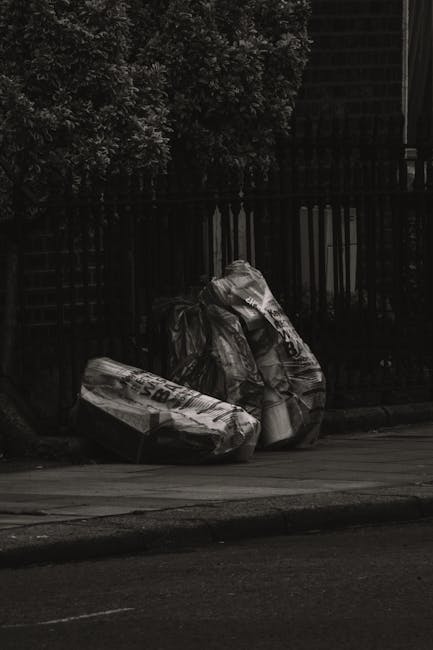
Brick Lane rubbish clearance times and collection tips
If you are trying to sort out rubbish clearance in Brick Lane, the timing can matter just as much as the clearance itself. Busy streets, narrow access, tradesmen loading out, restaurant deliveries, and the general stop-start rhythm of East London can turn a simple collection into a bit of a dance. This guide on Brick Lane rubbish clearance times and collection tips is here to make that dance easier. You will find practical timing advice, smart preparation steps, and a few real-world pointers that help collections run smoothly without fuss.
Whether you are clearing a flat, dealing with builder's waste, or just shifting old furniture before a move, the main aim is the same: get the job done cleanly, quickly, and with as little disruption as possible. Let's face it, nobody wants bags sitting outside longer than they need to, especially on a street that is already always awake.
Table of Contents
- Why Brick Lane rubbish clearance times and collection tips matters
- How Brick Lane rubbish clearance times and collection tips works
- Key benefits and practical advantages
- Who this is for and when it makes sense
- Step-by-step guidance
- Expert tips for better results
- Common mistakes to avoid
- Tools, resources and recommendations
- Law, compliance, standards, or best practice
- Options, methods, or comparison table
- Case study or real-world example
- Practical checklist
- Conclusion
- Frequently asked questions
Why Brick Lane rubbish clearance times and collection tips Matters
Brick Lane is one of those places where timing can make or break a clearance. Early mornings can be calmer, but not always quiet. Later in the day, footfall grows, parking tightens, and loading bays can be under pressure. If a collection is poorly timed, bags can block access, create complaints from neighbours, or simply take longer than expected.
That matters for homes, shops, offices, and landlords alike. A well-timed waste collection reduces stress and helps everyone involved work faster. It also lowers the chance of awkward delays where a van can't get close enough, or a crew has to carry heavy items further than planned. In a street environment like Brick Lane, a few minutes' planning can save a lot of backtracking.
There is also a practical cleanliness angle. Waste left out too soon can become a nuisance, especially if cardboard gets damp, food waste starts to smell, or loose items get scattered by wind and passing traffic. The area has enough going on already. A tidy clearance window helps keep things manageable.
Expert summary: In Brick Lane, the best rubbish clearance jobs are the ones prepared around access, parking, and building schedules rather than just "when someone is free." The smoother the handover, the quicker the pickup.
How Brick Lane rubbish clearance times and collection tips Works
In practice, rubbish clearance in Brick Lane usually starts with a short assessment of what needs removing, how much space it will take, and where a vehicle can safely stop. Then comes timing. The right slot depends on the type of waste, the building layout, and whether the area is likely to be busy with pedestrians, deliveries, or trades.
For example, a small flat clearance may be completed in a short visit if everything is already bagged and grouped. A larger job, such as home clearance or office clearance, often needs a little more coordination. The same is true for heavier or awkward items. Old sofas, appliances, or renovation debris are rarely just "grab and go" jobs. They need sensible staging and safe lifting.
There is also the question of waste type. Mixed loads are common, but it helps to know whether you are dealing with general rubbish, bulky furniture, builder's waste, garden waste, or something that needs special handling. If you have a mixture of items, services such as waste removal can be useful because they make the process feel less piecemeal. And yes, that really matters when your hallway is already full to the brim.
Collection tips are mostly about preparation. Keep walkways clear, separate fragile or hazardous items, and make sure the crew can see what is going and what is staying. If you are using a building entrance or shared passage, tell residents or staff in advance. A simple note on the door, or a quick internal message, can prevent a lot of "hang on, that chair isn't meant to go" moments.
Key Benefits and Practical Advantages
The biggest benefit of good timing is straightforward: the clearance tends to be faster. But there are a few other advantages worth spelling out.
- Less disruption: Shorter waiting times mean less clutter, less noise, and fewer awkward encounters with neighbours or customers.
- Better access: Booking around quieter periods can make it easier for a vehicle to stop near your property.
- Cleaner spaces: Waste leaves the site sooner, which helps reduce odour, mess, and trip hazards.
- More efficient labour: When items are sorted in advance, the crew can work in a more direct way.
- Lower stress: You know what is happening and when, which is underrated, honestly.
There is also a cost-control angle. Time spent waiting around is rarely helpful. If a team can arrive, load, and leave without delay, the job is usually smoother to price and easier to manage. That is especially useful for businesses that need clearance outside their busiest hours. A cafe, salon, or small retailer on Brick Lane may need rubbish removed before the morning rush or after the last customer has left.
And for residential customers, the benefit is emotional as much as practical. Clearing out a cluttered flat can feel like a reset. You hear the echo in the room once the old furniture is gone. A small thing, maybe, but people notice it.
Who This Is For and When It Makes Sense
This kind of planning makes sense for a wide range of people. If you are wondering whether it applies to you, the answer is probably yes if any of the following sound familiar.
- You are moving out of a flat or maisonette and need rubbish gone on a tight schedule.
- You are a landlord arranging a tenant clear-out between lets.
- You run a business and need reliable collection timing to avoid trading disruption.
- You have renovation debris and need to coordinate with builders or decorators.
- You are clearing furniture, appliances, or bulky household items.
- You have a basement, loft, garage, or storage area that has quietly filled up over the years.
For mixed domestic jobs, flat clearance is often the most relevant starting point in Brick Lane because many properties are compact, shared, and access-sensitive. For larger or more layered jobs, house clearance or loft clearance may be the better fit. If you are handling the aftermath of a DIY project, builders waste clearance is usually the more suitable route.
Truth be told, the people who benefit most are often the ones who plan just a little. Not obsessively. Just enough to avoid the classic "we forgot the access code" or "the bins are still in the way" problem.
Step-by-Step Guidance
If you want a smoother collection, follow a simple process. Nothing fancy. Just a bit of structure.
- List what needs to go. Walk through the property and make a basic inventory. Separate general rubbish, furniture, appliances, and anything sharp or hazardous.
- Choose a sensible collection window. Think about traffic, loading access, neighbours, and when your building is busiest. Early or mid-morning often works well, but the best slot depends on the location and property type.
- Prepare the waste. Bag loose rubbish, flatten cardboard, and keep smaller items together. If possible, move waste close to the exit but out of the way.
- Protect shared spaces. Cover stair edges or hall flooring if needed, especially in older buildings where scuffs happen easily.
- Isolate special items. Keep appliances, mattresses, sofas, and anything potentially hazardous separate so the crew can identify them quickly. Relevant services like fridge and appliance removal or mattress and sofa disposal may help where bulky items are involved.
- Confirm access details. Share door codes, entry instructions, parking notes, and any time limits before the team arrives.
- Keep the collection area clear. The more direct the path, the quicker the load-out. It sounds obvious, but it is where many jobs go sideways.
- Check the site at the end. Make sure nothing has been left behind and that the area is safe and tidy.
A small but useful tip: take a quick photo of the items before collection. It helps if you need to confirm volumes, and it also gives you a visual record of what was removed. Handy, especially if you're dealing with a busy shared building.
Expert Tips for Better Results
Good rubbish clearance is often about the small things. Here are the tips that tend to make the biggest difference in Brick Lane.
Time the job around local movement
Brick Lane can feel different from hour to hour. School run traffic, delivery vans, and market-style footfall can all change how easy it is to access a property. If you can choose a quieter window, do it.
Group items by type before the crew arrives
Putting everything in one messy pile seems efficient, but it usually slows things down. Separate furniture, bags, cardboard, and specialist waste where possible. A neat layout helps the team identify what can be loaded first.
Make the route obvious
From the flat to the van, keep the path as direct as you can. Doors open, stairways clear, no loose cables underfoot. That bit alone can shave time off the job and reduce the risk of knocks and scrapes.
Be realistic about heavy items
That wardrobe may look manageable until it meets the staircase. To be fair, plenty of people underestimate this. If you have large or awkward furniture, let the team know early. It helps with manpower, lifting approach, and timing.
Plan for oddments and leftovers
There is always one extra bag. Or a lamp. Or some screws in a tin. Keep a small "last minute" area so those bits are not forgotten. It saves rework later.
And one more thing: if you are disposing of items that may be difficult or sensitive to handle, use the right service rather than hoping for the best. For example, confidential shredding is useful where paperwork or records need secure destruction, while hazardous waste disposal is the safer route for anything that should not go into general rubbish. That distinction matters more than people think.
Common Mistakes to Avoid
Most clearance problems are avoidable. The annoying part is that they are usually quite ordinary mistakes.
- Leaving everything until the last minute: If you sort the waste five minutes before the crew arrives, you will feel rushed and likely forget something.
- Mixing unsafe items with general waste: Not all rubbish should be treated the same way. Some items need specific handling.
- Poor access planning: A van cannot magically appear closer to the door. If parking is tight, say so early.
- Not telling neighbours or staff: Shared buildings can become awkward very quickly if people are surprised by a clearance.
- Underestimating volume: A few black bags can become an entire load. It happens all the time.
- Forgetting special items: Large appliances, sofas, or mattresses often need separate handling and should not be assumed to be included automatically.
A subtle mistake, but a big one, is assuming every collection will be identical. It won't. A top-floor flat in a narrow Brick Lane side street is a different beast from a ground-floor office with back access. The more context you provide, the better the outcome tends to be.
Tools, Resources and Recommendations
You do not need a warehouse full of equipment to organise rubbish clearance well. A few simple tools and habits are enough.
- Strong bags or sacks: Use sturdy bags that will not split halfway down the stairs.
- Marker labels: Label items you want to keep if the site has a lot of clutter.
- Tape and bin liners: Useful for bundling small loose items or securing drawers shut.
- Gloves and basic PPE: Especially helpful when handling dusty loft items, broken materials, or garden waste.
- Phone photos: Handy for recording what is being removed and what remains.
If you are comparing services, start with the type of waste rather than the word "rubbish" in general. A business may need business waste removal, while a landlord might need furniture clearance after a tenancy ends. Garden waste, too, is a separate category in many jobs, so garden clearance can be the more natural option if you are clearing cuttings, soil, pots, or outdoor clutter.
If you prefer to understand the boundaries of a load before booking, the guide on what can go in a skip is a helpful way to think through common item types, even if you are not using a skip itself. It is the kind of page that answers a lot of "can this go with the rest?" questions before they become problems.
Law, Compliance, Standards, or Best Practice
Rubbish clearance in London has a few non-negotiables. You should always make sure waste is handled responsibly and by a suitable provider. If you are a business or landlord, you should also be careful about duty of care, safe access, and separating anything that may need specialist disposal. That is standard best practice, not a nice extra.
For many people, the most practical compliance questions are about safety and waste type. For example, items like appliances, certain chemicals, sharp materials, or bulky damaged goods may need different handling from ordinary household waste. Good practice is to identify those items before collection, rather than leave it to chance on the day.
It also helps to keep the site safe while the collection is in progress. That means clear walkways, careful lifting, and sensible staging of items. If a building has restrictions, tight staircases, or communal access rules, they should be respected. A team should not need to improvise around avoidable surprises.
Where relevant, use services and policies that reflect those expectations. Pages such as health and safety policy, insurance and safety, and recycling and sustainability can help you understand the standards behind a responsible clearance approach. That reassurance matters, especially when the job involves stairs, shared entrances, or more complicated waste streams.
Options, Methods, or Comparison Table
If you are deciding how to handle a clearance in Brick Lane, it can help to compare the common approaches side by side. Different jobs suit different methods, and trying to force the wrong one often creates more work.
| Method | Best for | Strengths | Watch-outs |
|---|---|---|---|
| Ad hoc bagging and bin use | Very small amounts of rubbish | Simple and quick for minor clear-outs | Can take time, may not suit bulky items |
| Skip-style planning | Mixed waste and larger volumes | Good for ongoing projects and predictable loads | Needs space and can be awkward in tight streets |
| Dedicated rubbish clearance | Fast removal of mixed household or business waste | Convenient, flexible, and less labour-heavy for you | Requires accurate description of what is going |
| Specialist item removal | Appliances, sofas, mattresses, or sensitive waste | Better handling and more suitable disposal route | May need advance notice and item-specific preparation |
For lots of Brick Lane properties, dedicated clearance is often the sweet spot because access is limited and the waste is mixed. A skip can work in the right setting, but not every street lends itself to that. The best option is usually the one that fits the property, not the one that sounds simplest on paper.
Sometimes the choice comes down to timing too. If you need the space clear today, a direct collection service is usually more practical than waiting for a longer setup. If you are planning works over several days, a different method may suit better. Simple, really.
Case Study or Real-World Example
Imagine a small first-floor flat near Brick Lane after a tenancy ends. The hallway is narrow, the staircase is shared, and there are black bags, a broken chair, a mattress, and a few boxes of mixed bits that somehow multiplied in the last week. The tenant has already left. The landlord wants the place cleared before the next viewing.
In a situation like that, timing becomes the key issue. A morning slot is often better because the building is quieter, and there is less chance of clashing with deliveries or passing foot traffic. The waste should be grouped by type: bags together, bulky items together, and any special items kept apart. The mattress is flagged early, which helps the team plan the load order. The stair route is kept clear, and the shared entrance is protected with a quick floor covering.
The result is usually much smoother than trying to "just get it done" in a rush. The job starts faster, the flat is left tidier, and the landlord can move on with minimal delay. Nothing dramatic. Just good planning doing its job. That is often how the best clearances feel - quiet, efficient, and oddly satisfying.
Practical Checklist
Use this before your collection day. It is simple, but it works.
- Confirm what needs to be removed.
- Separate general rubbish from bulky, specialist, or hazardous items.
- Choose a collection time that avoids the busiest access periods.
- Make sure doors, gates, and entry codes are ready to share.
- Clear the route from the waste to the exit.
- Protect floors or shared areas if necessary.
- Group items so they are easy to identify.
- Tell neighbours, staff, or building users if the clearance may affect them.
- Keep any items you want to retain well away from the collection area.
- Do a final sweep once the waste is gone.
If you want a slightly more structured way to think about the job, break it into "before, during, after." Before: sort and plan. During: keep access clear. After: check for leftovers and give the space a proper reset. That's it, really. No need to overcomplicate it.
Conclusion
Brick Lane rubbish clearance times and collection tips are really about one thing: making the job fit the street, the property, and the people involved. When you think carefully about timing, access, and waste type, the whole process becomes calmer and more efficient. That is true whether you are clearing a flat, a shop, an office, or a pile of mixed household clutter that has been quietly waiting for attention.
The best approach is usually practical, not perfect. Prepare well, communicate clearly, and choose a collection time that suits the real conditions on the ground. Small steps, but they add up. And in a place like Brick Lane, that can be the difference between a stressful clearance and a clean, straightforward one.
If you are ready to move things along, explore the relevant service pages, review your options, and take the next step with confidence. A tidy space has a way of making everything else feel more possible.
Get a free quote today and see how much you can save.
Frequently Asked Questions
What is the best time of day for rubbish clearance in Brick Lane?
There is no single perfect time, but quieter periods are usually best. Early morning or mid-morning often works well because foot traffic and delivery activity are lower. That said, the best slot depends on your building access, parking, and whether you are near a busier stretch of Brick Lane or a side street.
How much notice do I need for a rubbish collection?
It depends on the service and the size of the job. For simple clearances, short notice may be enough. For larger or more complicated collections, a little more planning is better. If the waste includes bulky or special items, giving advance notice helps the team arrive prepared.
Can I leave rubbish outside for collection the night before?
Usually it is better not to leave waste out too early. In a busy area, bags can get disturbed, blocked, or rained on. If you need to stage items in advance, keep them inside or in a secure area until the agreed collection window.
What should I do with bulky items like sofas or mattresses?
Set them aside separately and mention them when booking. Bulky items often need special handling, especially if access is tight. Services like mattress and sofa disposal can be the most suitable option when large furniture is involved.
Do I need to sort waste before the collection?
Yes, as much as possible. Sorting helps the crew load faster and reduces the chance of something being missed. You do not need a museum-level arrangement, just a sensible grouping of rubbish, furniture, and anything special.
What if my building has narrow stairs or no lift?
That is common in parts of East London. Mention it in advance. Narrow stairs and upper-floor access can affect timing, the number of crew needed, and how the items are moved. The more accurate the access details, the smoother the collection.
Can businesses in Brick Lane use the same rubbish clearance approach as households?
Not always. Businesses often have different waste streams, access restrictions, and time pressures. Business waste removal is often the better fit for shops, cafes, offices, and studios that need regular or timed collections.
What happens if I have hazardous waste?
Do not mix it with general rubbish. Hazardous items need separate handling and should be identified before collection. If you are unsure, it is best to ask in advance rather than guess. That small pause can prevent a much bigger issue later.
Is a skip always better than a clearance service?
No. A skip can work well for some projects, but not all streets or property types suit one. In tight urban settings, a direct clearance is often easier because it avoids the space and access challenges of a skip. It really depends on the job.
How can I make the collection faster?
Keep the route clear, sort the waste, and provide full access details ahead of time. If the team can get in, identify the items, and load without interruption, the job usually moves quickly. A little prep goes a long way.
What if I only have a few items to remove?
That is still worth arranging if the items are awkward, heavy, or hard to dispose of yourself. Small jobs are often the ones people delay the longest. Sometimes it is just nice to have someone else take the headache away.
Where can I learn more about related clearance options?
If you are deciding between different types of removal, it can help to look at services such as furniture clearance, builders waste clearance, or office clearance depending on what you need removed. Matching the service to the waste type usually gives the best result.
What is the single biggest tip for Brick Lane rubbish clearance?
Plan access first, waste second. If the vehicle can reach the property and the items are ready to go, everything else gets easier. In a place as busy and characterful as Brick Lane, that simple rule saves a lot of hassle.